
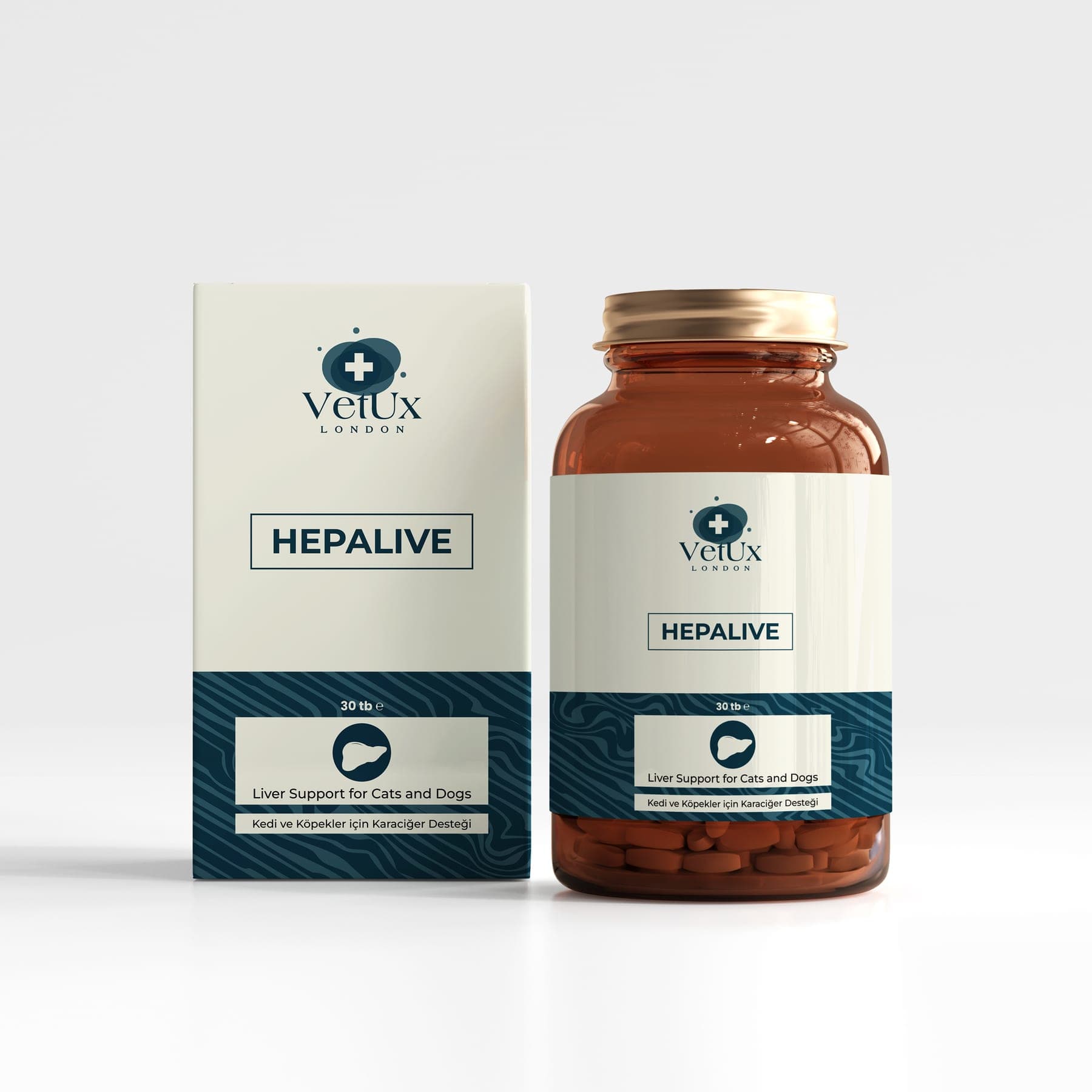
Reading the label: what to look for on the back of a supplement
The front always looks good. What actually describes a complementary feed is the back label — and there are really only four things to look for there.
Two boxes side by side on a shelf usually look much alike from the front. The difference starts at the back.
1. The amount of each active ingredient
An ingredient list without quantities beside it is just a list of materials. The difference between "contains silymarin" and "80 mg silymarin" is the first sign of how serious a product is. Check, too, whether amounts are given per daily dose or per 100 g — the two produce very different numbers.
2. What the product actually is
The label will carry the words "complementary feed" or an equivalent. That tells you the product is not a veterinary medicinal product and that it accompanies the daily diet. If a box promises something named after a disease, you have a good reason to put it back.
3. Dosage and duration
A good label states the daily amount by bodyweight and the recommended period of use. Those two lines are the clearest evidence that a real usage scenario was considered.
4. Which market it is labelled for
A label is written to the rules of the market where the product may be sold. VetUx London formulas are produced with three compliant labels — UK · EU · TR: one formula, written three times to three sets of regulations. It is a technical detail that decides where a product may legally be sold, and it takes more work than it looks like on the shelf.
What the front does not say
The front tells you what need a product was formulated for. The back tells you how concrete that formulation is. Reading both together is the shortest route to judging a complementary feed.
And one sentence holds in every case: complementary feeds do not replace veterinary examination, diagnosis or treatment. Speak to your vet before adding a product to the routine.
Frequently asked questions
What does "complementary feed" mean?
It is a feed product added alongside the daily diet, not a complete meal in itself. It is not a veterinary medicinal product and makes no such claim.
Does the order of ingredients mean anything?
It is usually listed in descending order of quantity — but the real information is the amount printed next to each active ingredient.
Can I use a product without asking my vet?
Complementary feeds accompany veterinary care, they do not replace it. Especially for an animal already under follow-up, do not add a product to the routine without speaking to your vet.
This article is for general information only; it does not replace veterinary examination, diagnosis or treatment. VetUx London products are complementary feed. If you have any concern about your companion, please consult your veterinary surgeon.
Share
The formulas matching the nutritional support described above.
Related articles
All articles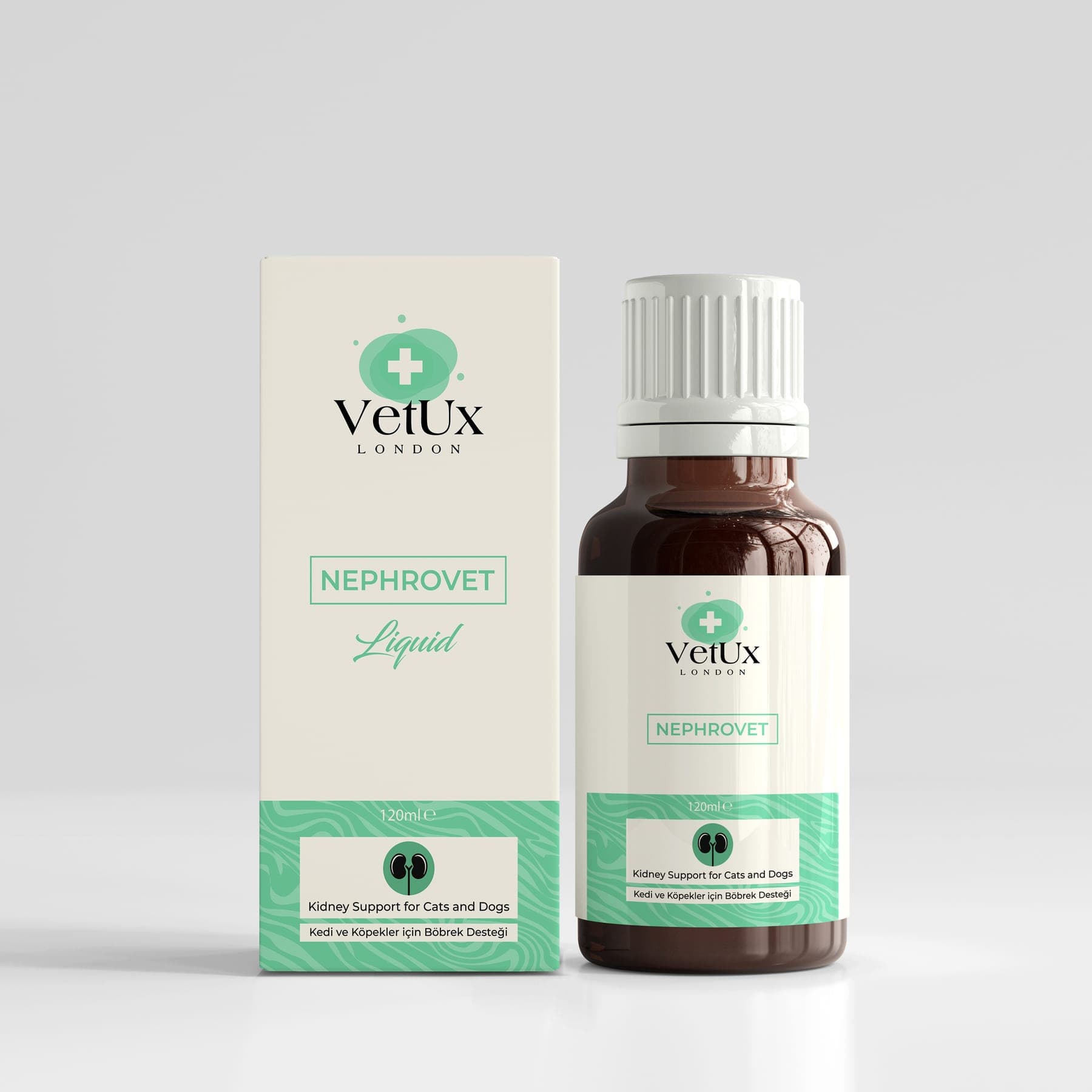 Nutrition
Practical ways to raise water intake in senior cats
Cats rarely show us that they are thirsty. Raising daily water intake is one of the simplest habits that helps maintain normal kidney function — and in most homes it takes only a few small changes.
 Care Guides
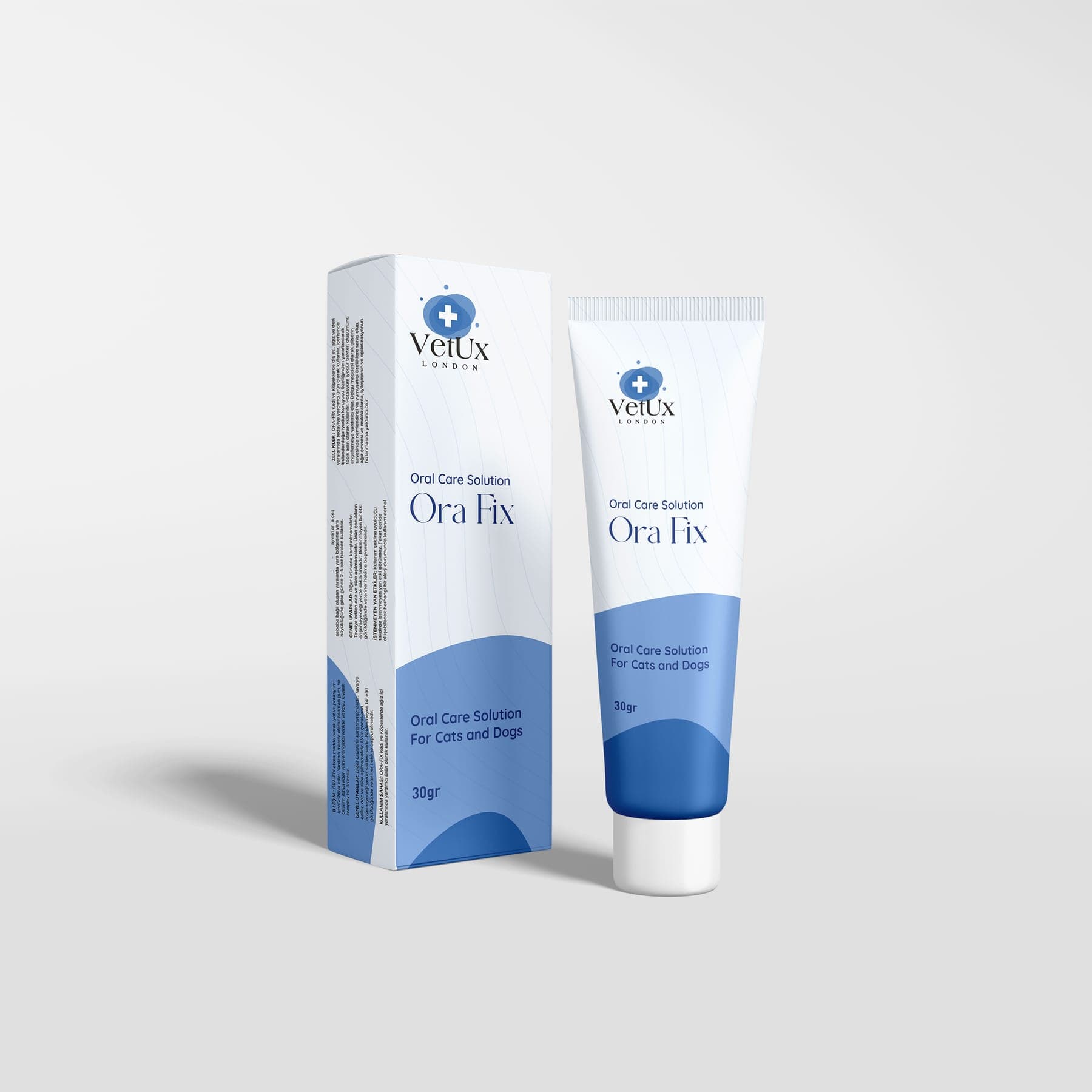
Oral care at home: a step-by-step way to build the habit
The hard part of oral care is not the brushing — it is getting there. A patient two-week programme is usually enough for the routine to settle in most dogs and cats.